Tree Limb Cleanup in Honolulu, HI
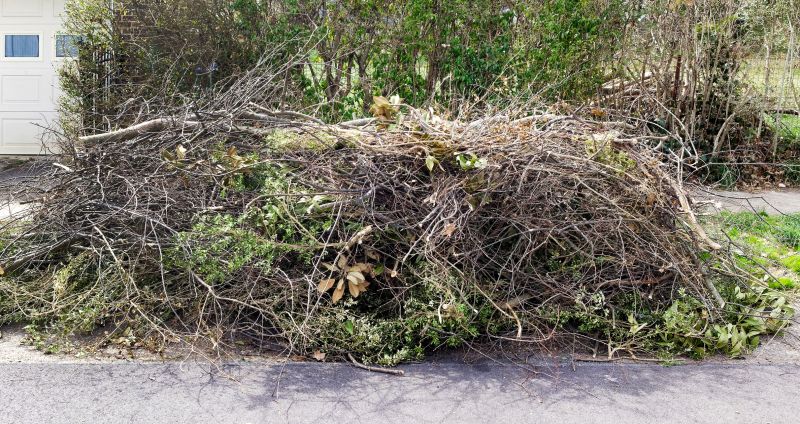
Tree limb cleanup services involve removing fallen or hazardous branches from trees to maintain the safety and appearance of a property. This service typically covers situations such as after storms, when broken or dead limbs pose a risk to people or structures, or during routine maintenance to prevent overgrown or diseased branches from causing damage. Property owners usually want to understand what types of branches are included, the scope of cleanup, and how the process will impact their landscape, especially when large or hard-to-reach limbs are involved.
Before requesting tree limb cleanup, homeowners often consider the extent of the project, including whether only fallen debris needs removal or if pruning and trimming are also desired. It’s helpful to know if the service includes hauling away debris, and whether it addresses specific concerns like safety hazards, aesthetic improvements, or tree health. Clarifying these details ensures the project aligns with property maintenance goals and helps determine the best approach for keeping trees safe and attractive.
Many property owners in Honolulu, HI look into Tree Limb Cleanup for repairs, replacements, upgrades, and appearance-related improvements.
Hazard Prevention
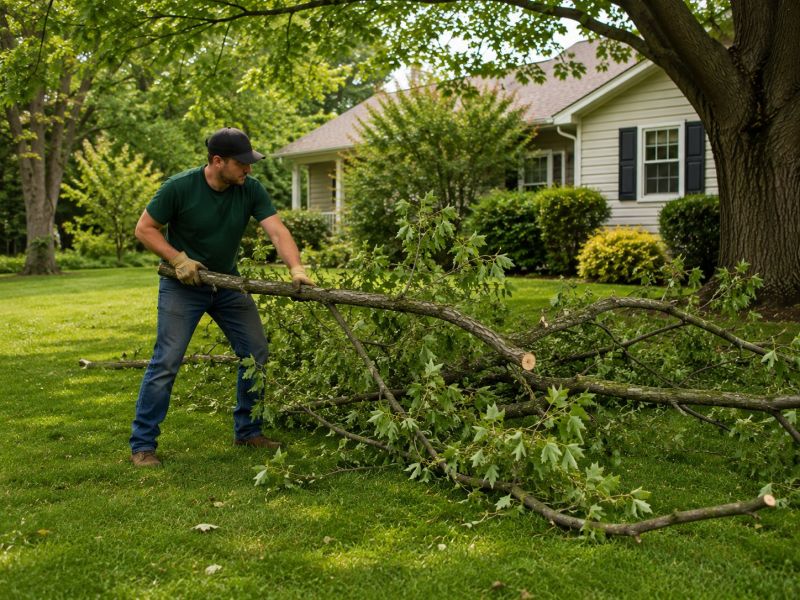
Removing fallen or broken limbs helps reduce the risk of property damage and personal injury.
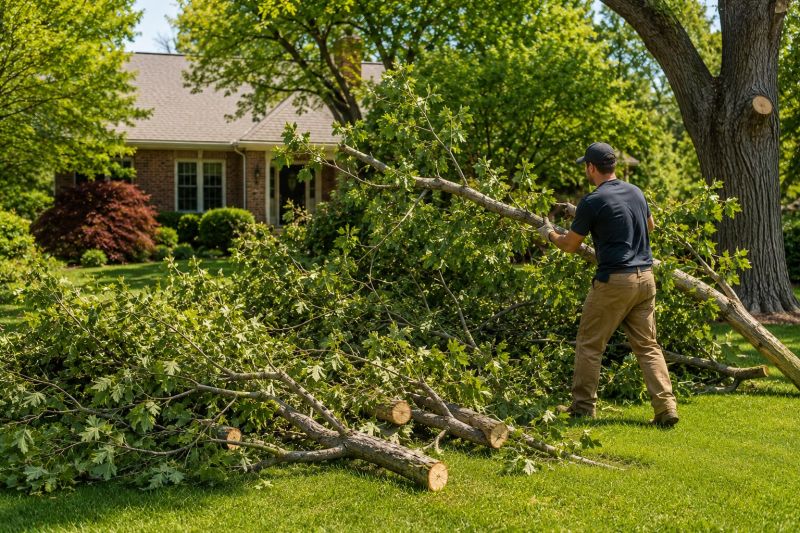
Property Maintenance
Regular limb cleanup keeps trees healthy and enhances the appearance of residential and commercial properties.
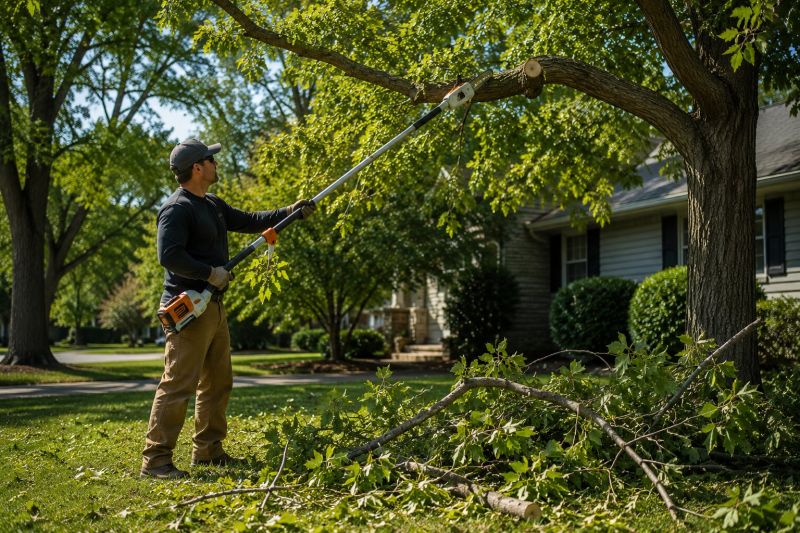
Storm Preparedness
Clearing dead or weak limbs minimizes storm-related damage during hawaii’s seasonal weather changes.
Tree Limb Cleanup in Honolulu, HI

Tree limb cleanup services involve removing fallen or hazardous branches from trees to maintain the safety and appearance of a property. This service typically covers situations such as after storms, when broken or dead limbs pose a risk to people or structures, or during routine maintenance to prevent overgrown or diseased branches from causing damage. Property owners usually want to understand what types of branches are included, the scope of cleanup, and how the process will impact their landscape, especially when large or hard-to-reach limbs are involved.
Before requesting tree limb cleanup, homeowners often consider the extent of the project, including whether only fallen debris needs removal or if pruning and trimming are also desired. It’s helpful to know if the service includes hauling away debris, and whether it addresses specific concerns like safety hazards, aesthetic improvements, or tree health. Clarifying these details ensures the project aligns with property maintenance goals and helps determine the best approach for keeping trees safe and attractive.
Many property owners in Honolulu, HI look into Tree Limb Cleanup for repairs, replacements, upgrades, and appearance-related improvements.
Common Tree Limb Cleanup Jobs
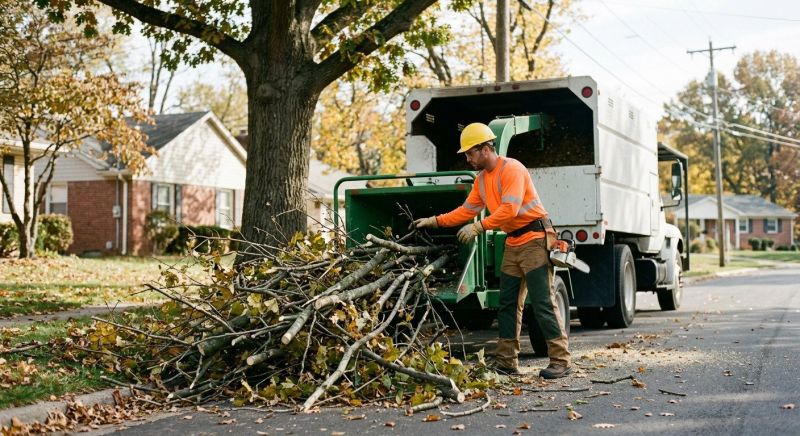
Tree limb removal - safely cuts and removes broken or hazardous branches from trees.
Overhanging limb trimming - reduces the risk of damage by thinning overhanging branches near structures.
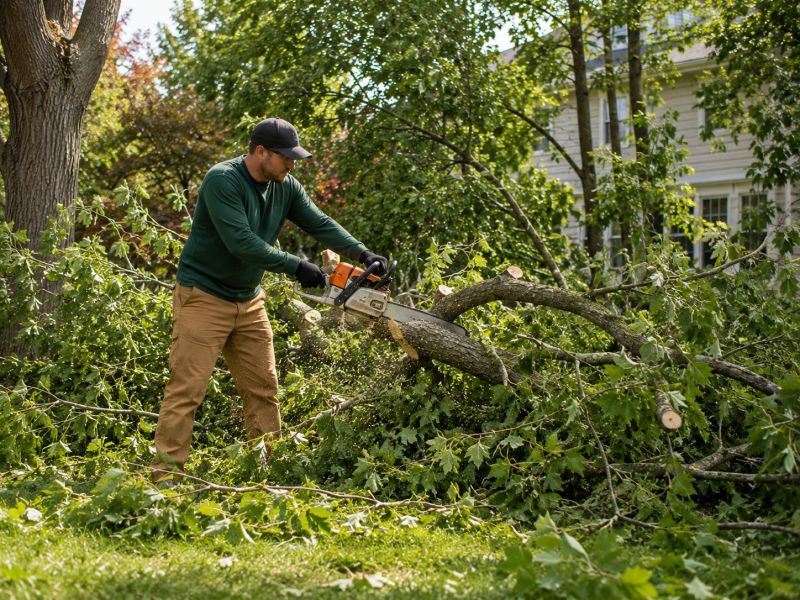
Storm cleanup - clears fallen or damaged limbs after severe weather events.
Emergency limb removal - quickly addresses hazardous limbs that pose immediate safety concerns.
Selective pruning - improves tree health and aesthetics by removing unnecessary or problematic limbs.
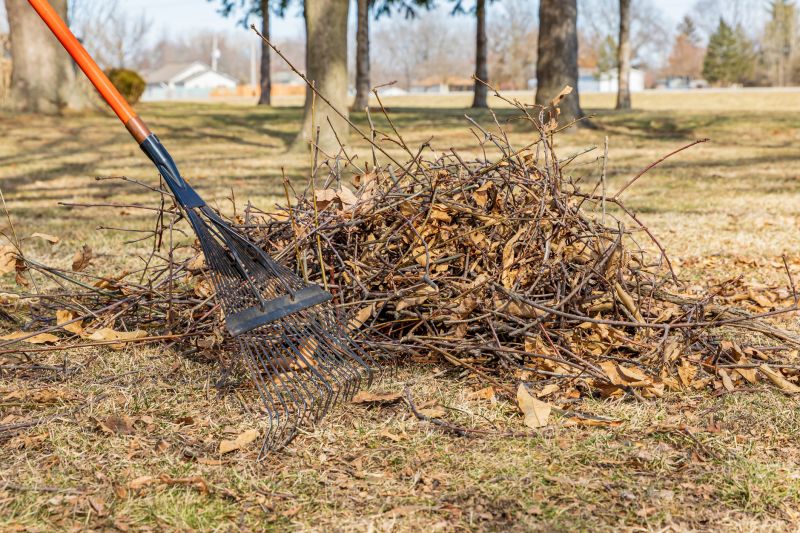
Property clearance - clears limbs from driveways, walkways, and yards to ensure safety and accessibility.
Tree Limb Cleanup Questions
What is included in tree limb cleanup services? Removal of fallen or damaged limbs to improve safety and appearance of the property.
When should tree limb cleanup be performed? After storms or when dead or broken limbs are visible to prevent hazards.
Are there different types of limb cleanup services? Yes, services may include pruning, debris removal, and limb trimming for health and safety.
Why is regular limb cleanup important? It helps maintain tree health and reduces the risk of damage to property or people.
Request Tree Limb Cleanup in Honolulu, HI
Use the quote form on this page to share the basics of your project and request more information for the type of work you need.